The History

home-iconHome > About us > The History

Since 1976, the story of Comunità Progetto Sud has interwoven shared living, rights, hospitality, and participation. It is a journey that began in Calabria and grew alongside people and local communities, driven by experiences, services, networks, and initiatives capable of interpreting social changes and pioneering innovative responses over time.

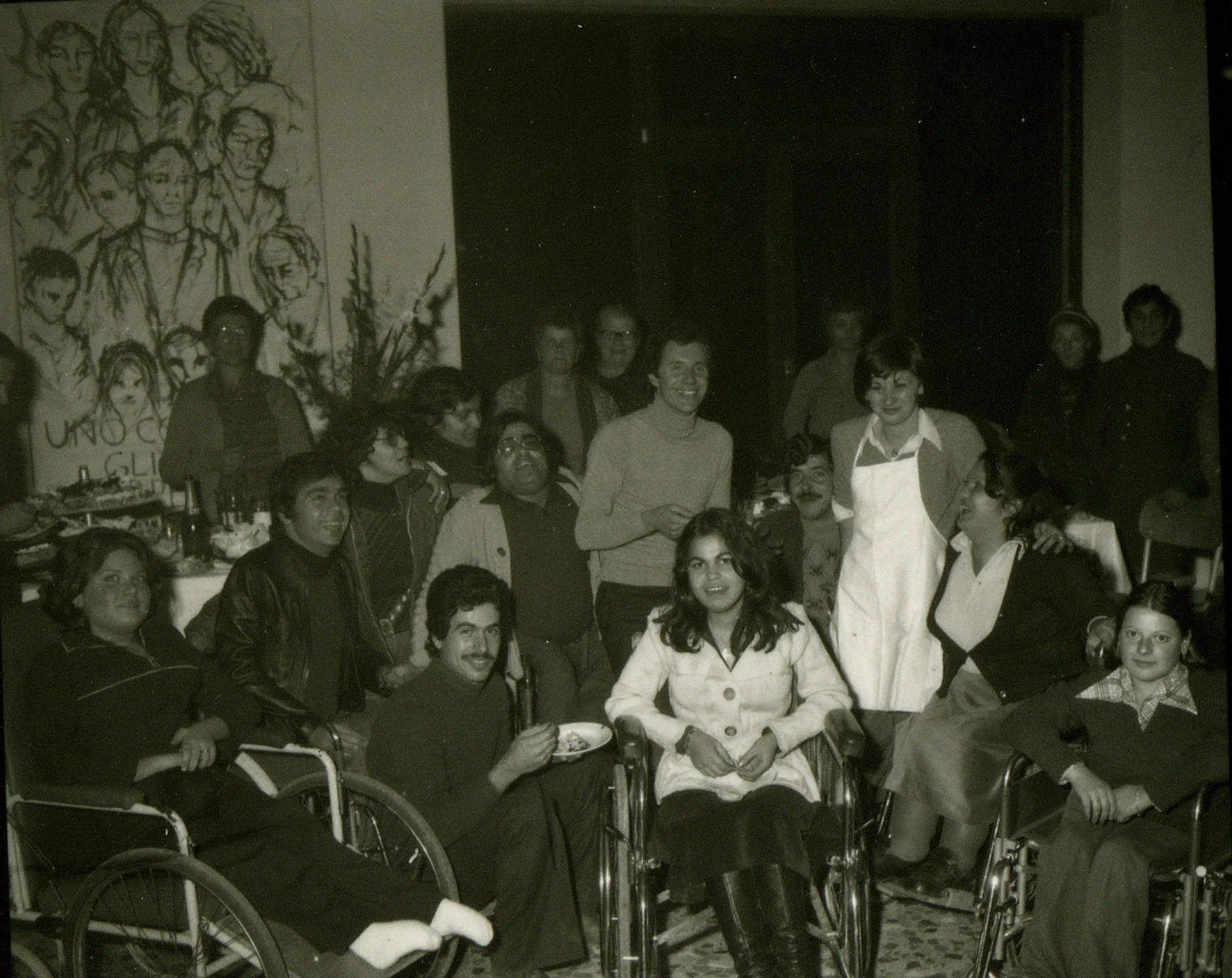
1976–1978

The Comunità Progetto Sud was founded as a shared living experience involving people with disabilities and young volunteers from both Northern and Southern Italy. Operating in a network with the Comunità di Capodarco di Fermo, the group became self-sustaining through a copper craft workshop. From the outset, it actively combated social exclusion, supported the creation of other local groups, and launched services for minors leaving the juvenile justice system. During this period, the “Manifesto against the culture of marginalization” was drafted and disseminated.

1976–1978

1980–1985

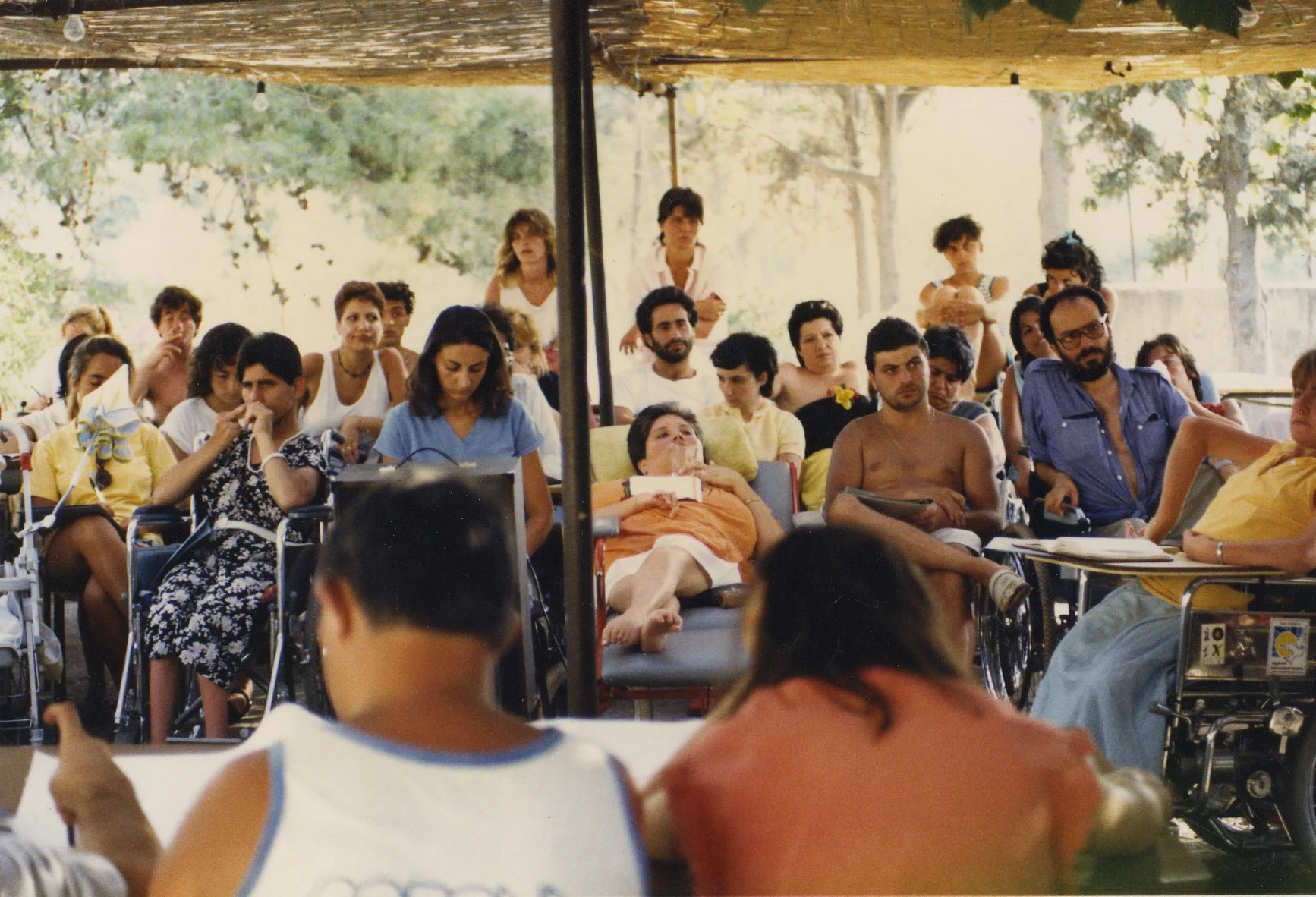
The Community advocates for rights, promoting citizen-led legislative initiatives and regulations regarding the right to health, education, and the inclusion of people with disabilities in Calabria. Summer camps and seminars serve as tools for building networks between public bodies and the third sector. The Àlogon Association is established, uniting organizations active in social justice and inclusion. The “Dal Margine” cooperative is launched, with a workforce that includes people with disabilities. At the national level, the Community plays a role in the founding of the CNCA (National Coordination of Reception Communities) and MOVI (Italian Volunteer Movement).

1980–1985

1985–1990

Following various political mobilizations and occupations advocating for the right to healthcare for all, a rehabilitation center was opened in Lamezia Terme. The Fandango Therapeutic Community, aimed at individuals struggling with addiction, was also established. The Community expanded its cultural engagement through events and training sessions focused on peace, the environment, and volunteering, and spearheaded the CREP (Regional Coordination for Peace Education). It joined the CTM-MAG network for ethical finance and founded the Quetzal cooperative, which is active in fair trade and the collection of socially conscious savings.

place-holder

1990–1995

Following initial work in providing care and shelter, the organization addressed the issue of AIDS through projects recognized as pioneering at the European level—such as *Symbios*—which integrated prevention, home care, rights advocacy, and workforce inclusion. The regional branch of LILA (Italian League for the Fight Against AIDS) and an information desk on disability issues were established. The Community participated in European programs and launched *La Scuola del Sociale* (School of Social Work), a center for training and research. *Lilliput* was created—Lamezia’s first inclusive playground—designed for young people and families in an area at high risk of social delinquency. Commitment to organic farming grew, leading to the establishment of AIAB (Italian Association for Organic Agriculture) in Calabria. The organization also helped spearhead the creation of FISH Calabria, an advocacy group dedicated to the rights of people with disabilities.

place-holder

1995–2000

The Community contributes to the emergence of the Third Sector in Calabria. It promotes territorial pacts for the social economy. The “Ciarapanì” cooperative is established—founded with individuals facing social hardship, including residents of a Roma camp—and launches Southern Italy’s first door-to-door separate waste collection service. The “L’Altra Casa” day-care service is created to support the families of people with disabilities. Support is provided for the establishment of Banca Etica’s GIT (Territorial Initiative Group) in Calabria, promoting models of responsible and participatory economics.

place-holder

2001–2005

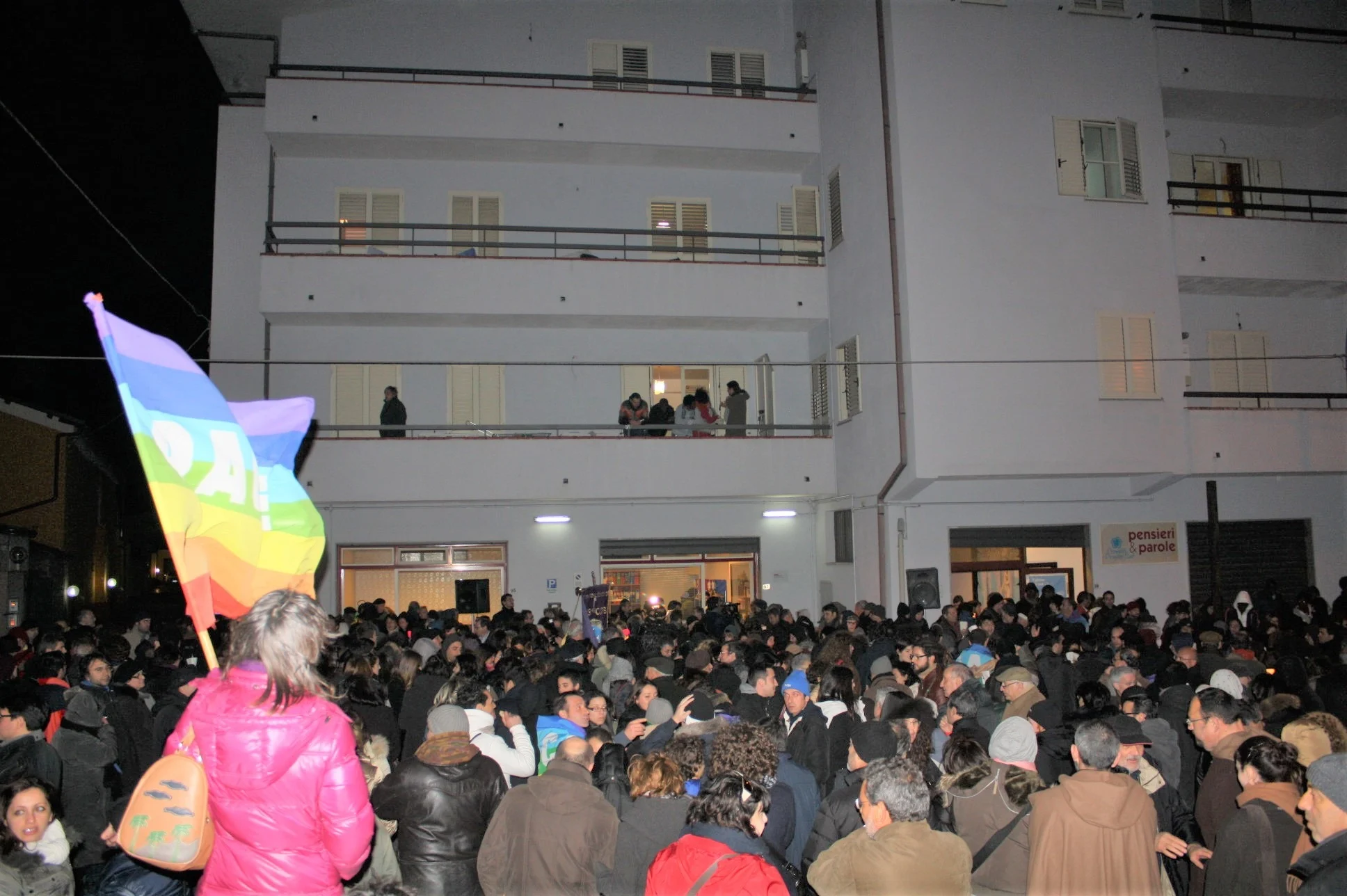
A property confiscated from the ’Ndrangheta is entrusted by the State to the Community, which transforms it into “Pensieri e Parole”—a symbolic hub of legality and civic engagement. Despite Mafia intimidation, the site becomes a vital social resource. New services for people with severe disabilities are piloted, such as the “Personal Assistance Service” and the “Living Autonomously” project, which fosters independent living. International volunteering initiatives are launched in Ecuador and Uganda, in partnership with local organizations and involving young volunteers.

2001–2005

2006–2011

The organization “Comunità di Accoglienza – CNCA Calabria Onlus” is established with the aim of promoting rights and inclusion. Reintegration and mental health support programs are developed in collaboration with the Mental Health Center and the local cooperative network. With the launch of the first SPRAR center for adults in Lamezia, the organization expands its reception efforts; subsequently, “LunaRossa”—a residential facility for unaccompanied foreign minors—is established. The “Dopo di Noi” (“After Us”) group home opens, serving individuals with severe disabilities who lack family support. The “Le Agricole” cooperative is formed by women facing hardship, focusing on organic farming. New associations dedicated to legality, volunteering, and rights are also promoted.

place-holder

2012–2017

Following further serious Mafia attacks in 2012, a civic response gave rise to the “Il giorno che non c’è” (The Day That Isn’t There) movement. Public advocacy efforts intensified: Giacomo Panizza appeared on the program *Vieni via con me* (Come Away with Me), hosted by F. Fazio and R. Saviano, and published a book with Goffredo Fofi. The “24 Ore in Calabria” (24 Hours in Calabria) event engaged students and intellectuals in examining the reality of the region. Projects combating human trafficking as well as sexual and labor exploitation were launched, and a Legal Center for the protection of migrants’ rights was established. Additionally, an Autism Center was opened at the “Oasi Bartolomea” complex, run by the Sisters of Maria Bambina.

place-holder

2018–2026

The Community focuses on supporting vulnerable families through the AMBI project (please specify), which was honored with the “Angelo Ferro Award.” During the pandemic, it launched regional remote-intervention projects involving schools and local communities. It established “Punto e Virgola,” a project aimed at individuals facing mental health challenges, featuring active participation from the beneficiaries themselves. It pilots social and accessible tourism activities at two barrier-free facilities—“La Gerosa” in Lamezia Terme and “Casale Carolea” in Settingiano—based on principles of the solidarity economy and inclusive hospitality. In collaboration with GOEL, it launched the “GOEL Bio-essiccati Cpsud” enterprise as part of the “Biodiversi” project, which combines social inclusion with sustainable agriculture. The Association is a founding member of “Comunità Competente,” a movement dedicated to establishing a fair, person-centered public healthcare system in Calabria.

place-holder
download-icon

Do you want to read the full story?

CPS_Icon
Privacy overview

This website uses cookies so that we can provide you with the best user experience possible. Cookie information is stored in your browser and performs functions such as recognising you when you return to our website and helping our team to understand which sections of the website you find most interesting and useful.